Retaining walls are essential structures in both residential landscaping and commercial construction. Whether you’re controlling soil erosion, building on sloped terrain, or designing a multi-level yard, the right type of retaining wall ensures long-term stability, function, and visual appeal.
In this guide, we’ll walk you through the main types of retaining walls, their structural differences, when to use them, and how they’re typically installed.
🧱 What Is a Retaining Wall?
A retaining wall is a rigid structure built to support soil at different elevations. It’s designed to prevent downward movement or erosion and is commonly used in hillside construction, garden terraces, roadway support, and property boundary stabilization.
🔎 Why Retaining Wall Type Matters
Choosing the right wall depends on several factors:
- Soil type and drainage conditions
- Height and load behind the wall
- Site space and slope
- Local climate and freeze-thaw conditions
- Aesthetic or material preferences
Using the wrong wall type can lead to failure, costly repairs, or poor water management.
🧱 1. Gravity Retaining Wall
Structure:
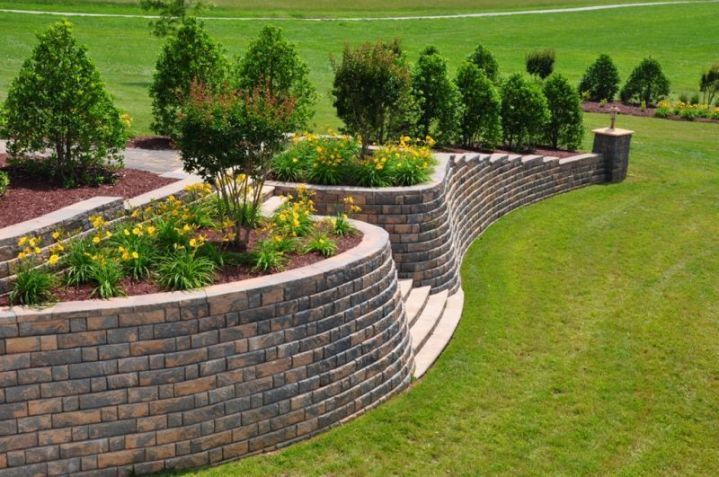
This wall relies entirely on its weight to hold back the soil. Typically built with concrete blocks, natural stone, or precast units, it has a thick base and may lean slightly back toward the slope.
Best Uses:
- Small garden walls
- Decorative landscaping
- Heights under 4 feet
Installation Method:
- Excavate and level the base
- Add compacted gravel or crushed stone
- Stack block or stone with staggered joints
- Backfill with gravel and soil
- Include weep holes for drainage
Pros: Simple design, no reinforcement required
Cons: Limited height; heavy materials
🏗️ 2. Cantilever Retaining Wall
Structure:
A reinforced concrete wall shaped like an “L” or “T”, with a base slab extending into the soil. The wall resists pressure through leverage—the weight of the soil on the base helps keep it stable.
Best Uses:
- Medium to tall walls (up to 20 ft)
- Driveway or road embankments
- Basement walls
Installation Method:
- Site excavation and base preparation
- Pour reinforced concrete footing and wall
- Allow curing time
- Backfill with drainage gravel and soil
Pros: Strong and space-efficient
Cons: Higher cost, requires engineering
🧱 3. Counterfort Retaining Wall
Structure:
Similar to a cantilever wall but includes vertical supports (counterforts) on the inside face to reinforce the slab and reduce bending stress.
Best Uses:
- Tall walls (over 20 ft)
- Commercial or infrastructure projects
- Heavy loading areas
Installation Method:
- Same as cantilever, but includes reinforced counterfort sections
- Requires complex formwork and large excavation
Pros: Handles extreme pressure
Cons: Expensive, not suitable for homes
🔩 4. Anchored Retaining Wall
Structure:
Uses anchors or tiebacks driven deep into the earth behind the wall and attached by cables. These provide additional strength without needing large base footprints.
Best Uses:
- High load walls in tight spaces
- Coastal, industrial, or urban settings
Installation Method:
- Drill and place steel cables or rods into deep anchor zones
- Tension cables
- Construct wall (gravity, sheet, or cantilever) with anchor points integrated
Pros: High strength; supports very tall walls
Cons: Specialized equipment and expertise required
🧱 5. Crib Retaining Wall
Structure:
An open-cell structure made from interlocking concrete, timber, or steel elements. The cells are filled with gravel to allow water to drain.
Best Uses:
- Light to medium loads
- Garden walls with drainage needs
- Slopes with good soil conditions
Installation Method:
- Assemble crib frame on level base
- Fill each section with gravel
- Backfill with free-draining soil
Pros: Good drainage; simple assembly
Cons: Limited strength and height
🌱 6. Reinforced Soil Retaining Wall (MSE Wall)
Structure:
Made by layering geogrid reinforcements between compacted soil and attaching a facing panel (block, mesh, or concrete) to hold the structure.
Best Uses:
- Highways, bridges, industrial yards
- Sloped sites needing tall walls
- Long wall lengths
Installation Method:
- Excavate and level base
- Layer geogrid mesh with compacted soil
- Place wall face units
- Repeat in tiers
Pros: Highly flexible and strong
Cons: Requires geotechnical design
🌊 7. Sheet Pile Retaining Wall
Structure:
Narrow interlocking sheets (steel, vinyl, or wood) driven vertically into the ground.
Best Uses:
- Water-front properties
- Temporary excavation shoring
- Soft or loose soil sites
Installation Method:
- Use hydraulic or vibratory hammers to drive sheets
- Add support (tiebacks or bracing) as needed
- Backfill and finish surface
Pros: Minimal space needed
Cons: Not ideal for tall walls or aesthetic use
💧 Don’t Forget Drainage
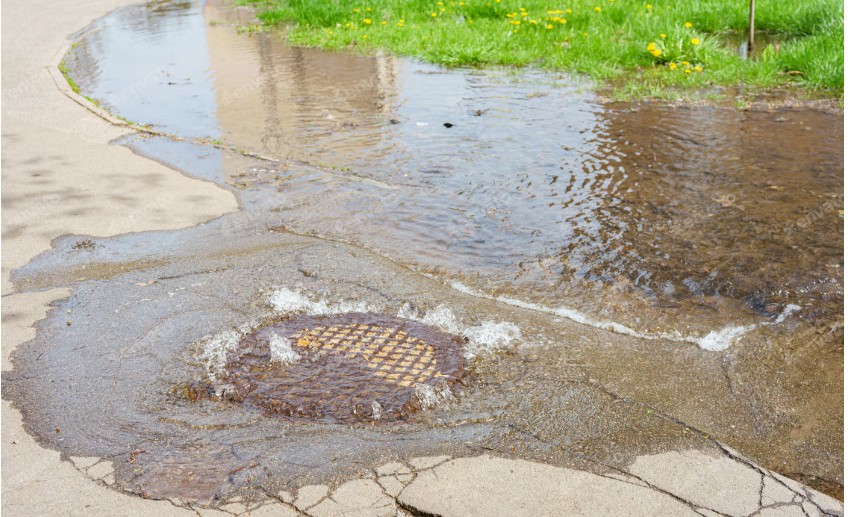
Proper drainage is critical in retaining wall construction. Without it, hydrostatic pressure builds up behind the wall, causing failure. All walls should include:
- Residential Drainage gravel
- Perforated drain pipe behind the wall (e.g., French drain)
- Weep holes or filter fabric
- Proper backfill compaction
📊 Quick Comparison Chart
| Wall Type | Max Height | Best For | DIY-Friendly |
|---|---|---|---|
| Gravity Wall | ~4 ft | Landscaping & gardens | ✅ Yes |
| Cantilever Wall | ~20 ft | Roads, driveways, homes | ❌ No |
| Counterfort Wall | 20+ ft | Commercial, heavy loads | ❌ No |
| Anchored Wall | Varies | Tight or extreme sites | ❌ No |
| Crib Wall | ~6 ft | Gardens, drainage slopes | ✅ Somewhat |
| MSE Wall | 30+ ft | Roads, bridges, slopes | ❌ No |
| Sheet Pile Wall | 10–15 ft | Coastal or loose soils | ❌ No |
🧠 Final Thoughts
There’s no one-size-fits-all when it comes to retaining walls. The right type depends on soil condition, wall height, drainage, and budget. For homeowners, gravity, crib, and small MSE walls may be viable options. For contractors or engineers, cantilever and reinforced options offer strength and longevity.
Always consult with a structural engineer or retaining wall expert for any project over 4 feet in height or where significant earth pressure is involved.