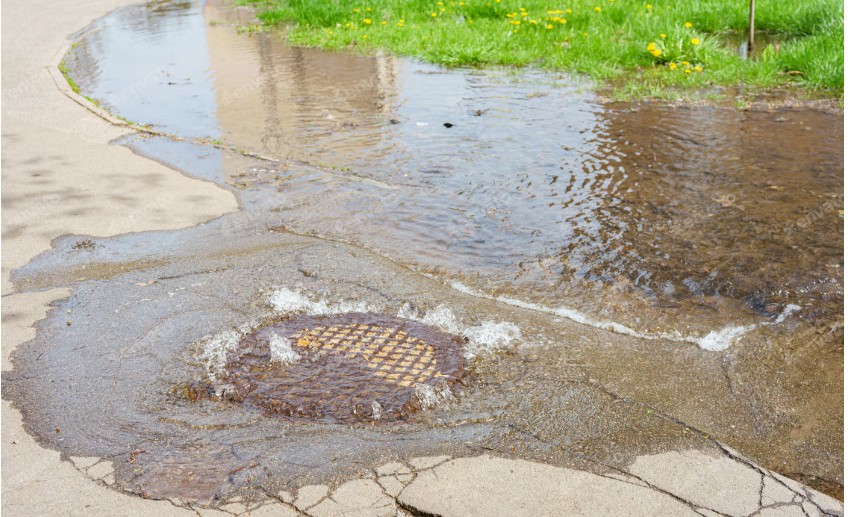
Most homeowners never think about drainage—until water starts creeping into the basement, pooling around the foundation, or flooding the backyard. The truth? A poorly designed or outdated drainage system can quietly cause thousands of dollars in damage.
In this guide, we’ll walk you through the 5 most important types of residential drainage systems, how they work, and why ignoring them could cost you big. From foundation drainage systems to modern underdeck drainage systems, this is the must-know drainage advice every homeowner should read before it’s too late.
Foundation Drainage Systems
Your home’s foundation is only as strong as its ability to stay dry. Foundation drainage systems are installed around the base of your home to redirect groundwater and rainwater away from the structure.
What They Do:
- Prevent hydrostatic pressure buildup
- Reduce basement leaks and mold growth
- Protect against foundation cracks or shifting
Common Foundation Drainage Types:
- French drains
- Exterior footing drains
- Sump pump systems
Without a proper foundation drainage system, moisture can seep into your basement or crawlspace, leading to rot, mold, and costly repairs. These systems are especially important in regions with high water tables or heavy seasonal rainfall.
Advanced Drainage Systems
Technology has come a long way in water management. Advanced drainage systems are engineered to offer smarter, more efficient solutions for modern homes, especially those built on complex landscapes or in flood-prone areas.
Features of Advanced Drainage Systems:
- Perforated piping with filter fabric to prevent clogging
- Smart moisture sensors that detect early signs of water buildup
- Graded slopes and swales are designed using elevation data
- Geotextile fabrics that separate soil layers and boost drainage performance
Advanced systems are often used in luxury homes or new developments, but they’re becoming increasingly accessible to all homeowners looking to future-proof their properties.
Types of Drainage Systems
There’s no one-size-fits-all solution to managing water. The best system depends on your yard layout, soil type, foundation height, and regional climate. Let’s break down the main types of drainage systems used in residential properties:
1. Surface Drainage Systems
These use ditches, swales, or grates to carry water off the surface before it can soak in. Ideal for sloped yards.
2. Subsurface (French Drain) Systems
Installed underground, these direct water away using perforated piping and gravel. Best for soggy yards or wet foundations.
3. Downspout and Gutter Systems
Gutters collect roof water, and downspouts discharge it away from the home. A critical system that’s often ignored.
4. Slope-Adjusted Yard Grading
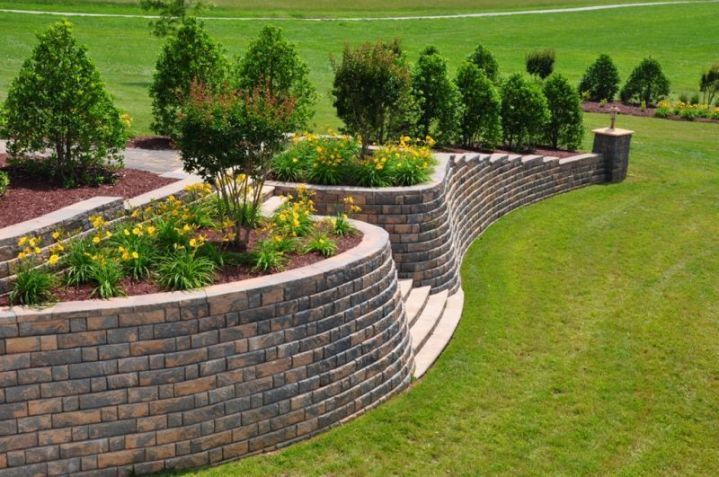
Not a product, but proper soil grading is essential. The land around your home should slope away from the foundation to avoid pooling.
5. Sump Pump Drainage
Often part of interior drainage, these pumps eject water that collects below your foundation. Ideal for homes with basements or crawlspaces.
Understanding the types of drainage systems available helps you choose the right combination of solutions for your specific property.
Old Basement Drainage Systems
If your home is older, your basement drainage system may be outdated or poorly maintained. Many homes built before the 1980s have clay pipes, clogged weeping tiles, or no waterproofing at all.
Signs of Failing Old Drainage:
- Musty smells or visible mold
- Efflorescence (white powdery buildup) on walls
- Water stains or rust on foundation edges
- Pooling water or sump pump overuse
Solutions:
- Replacing clay or corroded piping with modern PVC or HDPE
- Adding internal French drains or wall drainage panels
- Upgrading or adding a sump pump system
Don’t wait for water to damage your structure. If you suspect issues with your old basement drainage systems, it’s time for a professional inspection.
Underdeck Drainage Systems
If you have a two-story deck or patio, don’t let the space underneath go to waste. Underdeck drainage systems are designed to capture rainwater from between the boards and redirect it away, creating a dry, usable space below.
Benefits:
- Adds usable living or storage space below the deck
- Prevents water damage to joists and beams
- Keeps patios, outdoor furniture, and grills protected
Types:
- Through systems that sit below the joists
- Over-joist systems that keep water off the structure entirely
Installing an underdeck drainage system is a smart move for increasing the value and functionality of your outdoor space, especially in rainy climates.
Why Homeowners Regret Ignoring Drainage
Homeowners often skip drainage improvements because they’re out of sight—until the damage is already done.
Risks of Ignoring Proper Drainage:
- Foundation cracks or wall bowing
- Mold growth and air quality issues
- Basement flooding
- Soil erosion and landscape damage
- Decreased property value
Water is one of the most destructive forces in homeownership. Whether it’s seeping under your foundation or pooling under your deck, unmanaged water will always find a way in.